Step-by-Step Dental Implant Procedure Explained

Losing a tooth can affect more than just your smile. You might find it uncomfortable to chew certain foods, feel conscious while talking, or notice that you're avoiding photographs because of a gap in your teeth. The good news is that dental implants can offer a long-term solution for replacing missing teeth when they are suitable for your situation.
However, if you're considering dental implants, you may have questions about the procedure itself. Does it involve surgery? How many appointments are needed? Does it hurt? And how long does the entire process take?
If you're researching dental implants Indore, understanding each stage of treatment can help you feel more confident before your first consultation. Let's walk through the procedure step by step.
What Are Dental Implants?
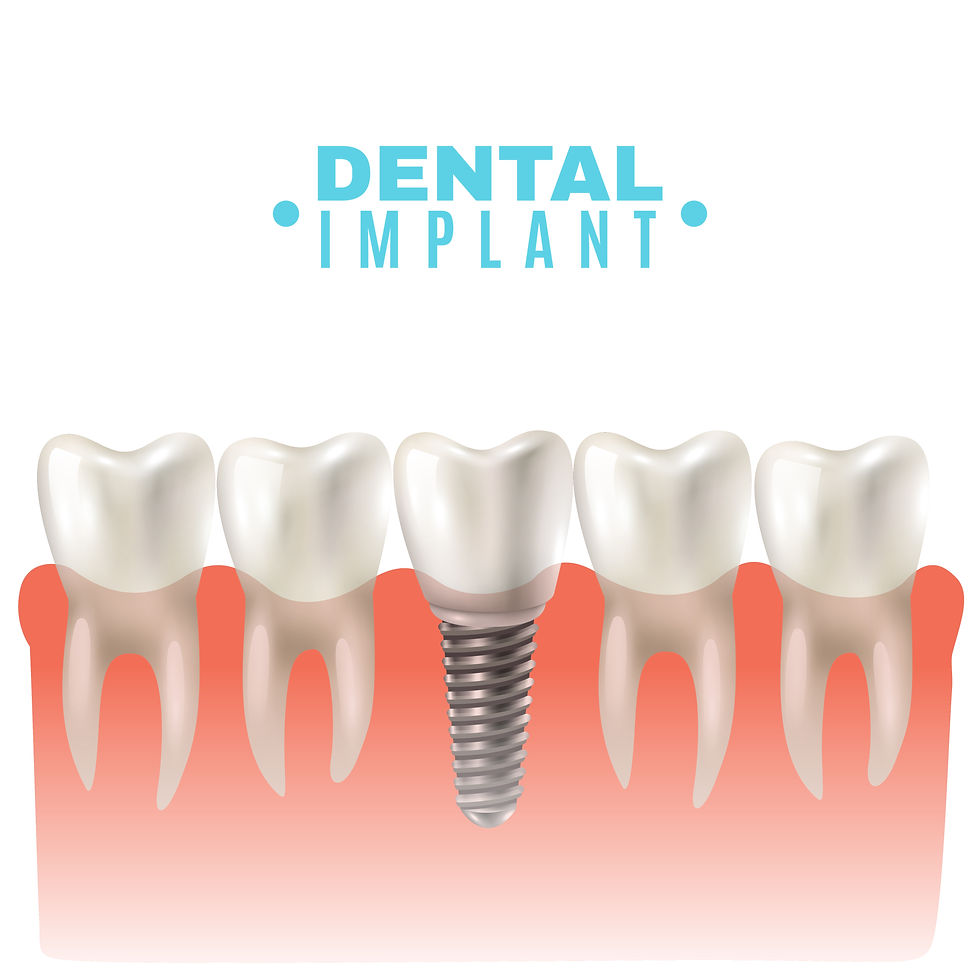
A dental implant is a small fixture, usually made from titanium or another suitable material, that is placed into the jawbone to replace the root of a missing tooth.
After the implant has had time to integrate with the surrounding bone, a dental crown can be attached to restore the visible part of the tooth. Depending on your needs, implants may also support bridges or certain full-mouth restorations.
Unlike a traditional dental bridge, an implant can support a replacement tooth without relying on neighbouring teeth for support.
Step 1: Initial Consultation and Dental Examination
Every successful implant treatment begins with a proper assessment.
During your first appointment, the dentist will examine your mouth and discuss your dental history, general health, and expectations. They may ask how you lost the tooth, how long it has been missing, and whether you have experienced gum disease or other dental problems.
This is also your opportunity to discuss any concerns about pain, recovery, cost, or treatment time.
If you're exploring dental implants Indore, choose a qualified dental or oral and maxillofacial specialist who can explain your options clearly and answer your questions without rushing the consultation.
Step 2: X-Rays and Treatment Planning
Once the initial examination is complete, your dentist may recommend dental X-rays or three-dimensional imaging, such as a CBCT scan, when clinically appropriate.
These images help assess the amount of available jawbone, the position of nearby teeth, and important anatomical structures.
The dentist uses this information to determine where the implant should be placed and whether additional treatment is needed.
For example, if there isn't enough bone to support an implant, a bone graft may sometimes be recommended. If a damaged tooth is still present, it may need to be removed before implant placement.
The treatment plan and expected timeline will depend on these findings.
Step 3: Preparing the Mouth for Treatment
Before implant surgery, any existing oral health concerns may need to be addressed.
If you have active gum disease, untreated tooth decay, or an infection, your dentist may recommend treating these problems first. Healthy gums and appropriate bone support help create a better environment for implant treatment.
In some cases, a tooth may be removed and an implant placed during the same appointment. In other situations, the dentist may recommend waiting for the extraction site to heal before placing the implant.
There is no single approach that works for everyone, so your treatment schedule will be based on your individual condition.
Step 4: Dental Implant Placement
This is the surgical stage of the procedure.
The area is usually numbed with local anaesthesia. Depending on the complexity of the treatment and your individual needs, other anaesthesia or sedation options may sometimes be discussed.
The dentist or surgeon prepares the site in the jawbone and places the implant fixture in the planned position. The gum tissue is then managed according to the surgical approach.
You may feel pressure during the procedure, but local anaesthesia is used to control pain.
After surgery, some swelling, tenderness, or minor bleeding may occur. Your dental team will provide instructions about medications, oral hygiene, diet, and activity during recovery.
Step 5: Healing and Bone Integration
After the implant is placed, the surrounding bone needs time to heal and integrate with it. This process is known as osseointegration.
It is a crucial stage because the implant needs a stable foundation before it can support the final restoration.
Healing time varies depending on factors such as bone quality, implant location, general health, and whether additional procedures were performed. It may take several weeks to a few months.
During this period, your dentist will monitor your progress and tell you when it is appropriate to move to the next stage.
Some patients may receive a temporary tooth or restoration, depending on the clinical situation. A temporary restoration is not always possible or advisable.
Step 6: Attaching the Abutment
Once the implant has healed sufficiently, an abutment may be attached to connect the implant fixture to the final crown.
Depending on the original surgical technique, the abutment may already be in place, or a small additional procedure may be required.
Your dentist will explain what is needed in your case.
The surrounding gum tissue may need some time to settle around the abutment before the final restoration is completed.
Step 7: Creating and Fitting the Dental Crown
The crown is the visible part of the replacement tooth. It is designed to fit comfortably with your other teeth and match their appearance as closely as possible.
Your dentist may take impressions or digital scans to help a dental laboratory create the crown. Factors such as tooth colour, shape, bite, and position are considered during this stage.
Once the crown is ready, it is attached to the implant using the planned method. The dentist then checks the fit and bite and makes adjustments if needed.
The goal is to provide a replacement tooth that looks natural and functions comfortably.
Step 8: Follow-Up and Long-Term Care
Your treatment doesn't end when the crown is fitted.
Regular dental check-ups help your dentist monitor the implant, surrounding gums, bite, and restoration. You should continue brushing twice daily and cleaning between your teeth using techniques recommended by your dental team.
Avoiding tobacco and managing conditions that affect oral health may also support long-term success.
Although dental implants are designed to be a durable tooth replacement option, the crown and other components may eventually need maintenance or replacement. Good care is important throughout the life of the restoration.
Does the Dental Implant Procedure Hurt?
This is one of the most common concerns among patients.
During implant placement, local anaesthesia is used to control pain. After the procedure, temporary discomfort, swelling, and tenderness are possible, particularly during the first few days.
Your dentist will explain how to manage these symptoms and when to seek advice if something doesn't feel right.
If you experience severe or worsening pain, persistent bleeding, fever, or increasing swelling, contact your dental team promptly.
How Long Does the Complete Procedure Take?
Dental implant treatment may take a few months from the initial assessment to the final crown, although the timeline varies considerably.
Some patients can receive an implant and temporary restoration relatively quickly, while others need additional healing time, bone grafting, or treatment for existing dental problems.
If you're considering dental implants Indore, ask for an estimated timeline based on your examination rather than relying on general treatment durations advertised online.
Final Thoughts
Dental implant treatment involves several stages, from consultation and imaging to implant placement, healing, crown fitting, and ongoing maintenance. Each step has an important role in achieving a functional and natural-looking result.
If you're considering dental implants Indore, the best starting point is a detailed consultation with a qualified specialist who can assess your oral health and explain the most appropriate treatment plan for you.
Understanding the procedure beforehand can help you approach treatment with realistic expectations and greater confidence.
About Dr. Anurag Bhargava
Dr. Anurag Bhargava provides personalized dental and oral surgical care based on each patient's individual condition and treatment requirements. Patients considering dental implants can discuss their oral health, available treatment options, expected timelines, and aftercare needs to understand which approach may be suitable for restoring missing teeth and supporting long-term oral health.
Comments